
Backyard Chickens in Florida: Zoning Rules, City vs County Laws, and What Homesteaders Should Know
Backyard chickens have exploded in popularity over the past few years. What started as a pandemic hobby for many people quickly turned into a full-blown homesteading movement.
Fresh eggs, natural pest control, and the simple joy of caring for animals have made chickens one of the most popular animals for small-scale homesteading.
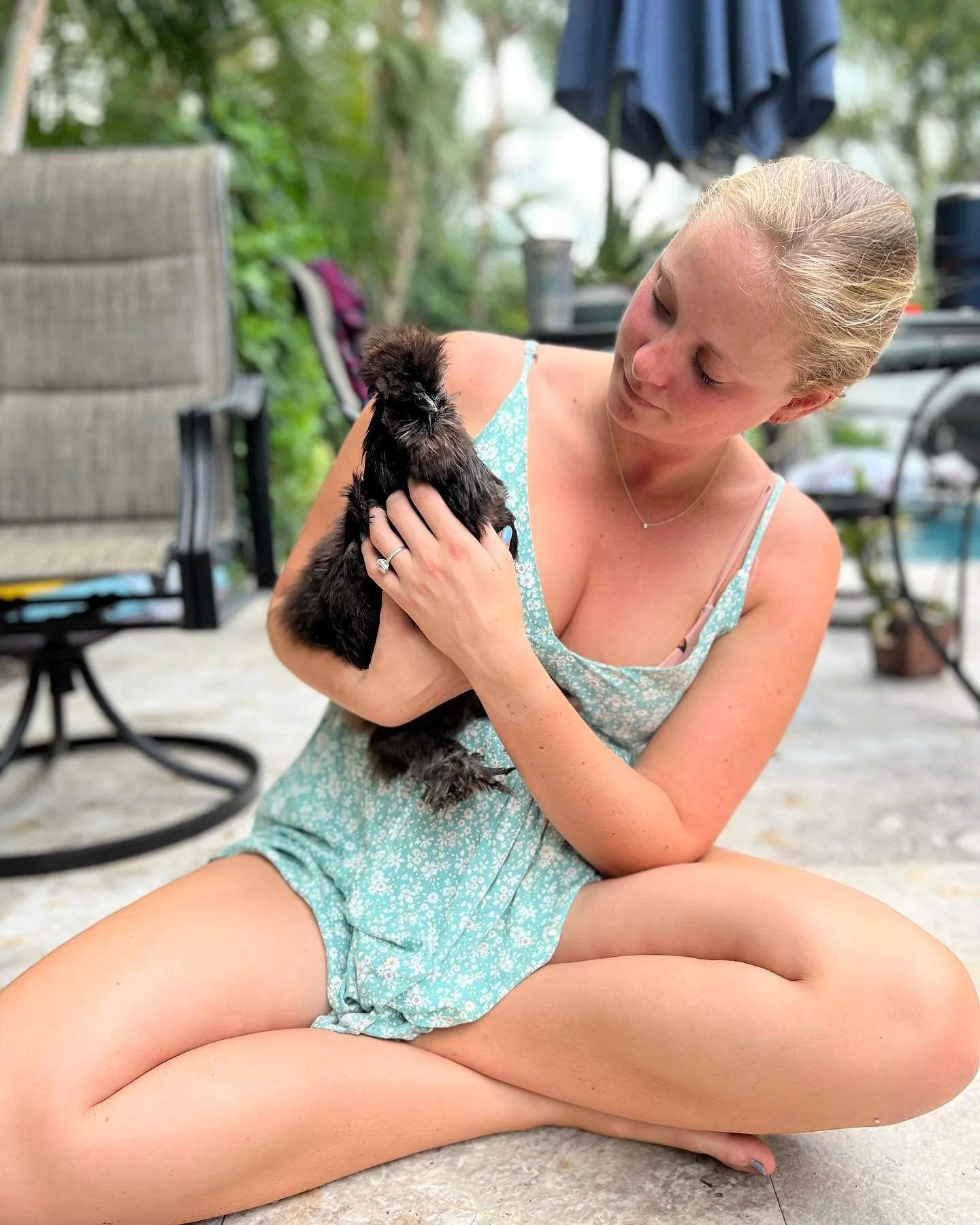
I know this firsthand. I grew up in a subdivision in New Hampshire, and went to farm camp many years of my childhood. There, I fell in love with chickens specifically, and it had been a lifelong dream of mine to have my own flock.I started keeping backyard chickens in 2020 (like a lot of people during COVID) and fell more in love with them. My flock includes Silkies, Polish, and Prairie Bluebells, and while they are definitely my pets, Evan is very happy to enjoy the eggs they produce.
We currently keep four hens, which happens to be the legal limit where we live.
If you're thinking about buying land in Florida and want to keep chickens, there are a few important things to understand first — especially when it comes to zoning, city limits, and local ordinances.
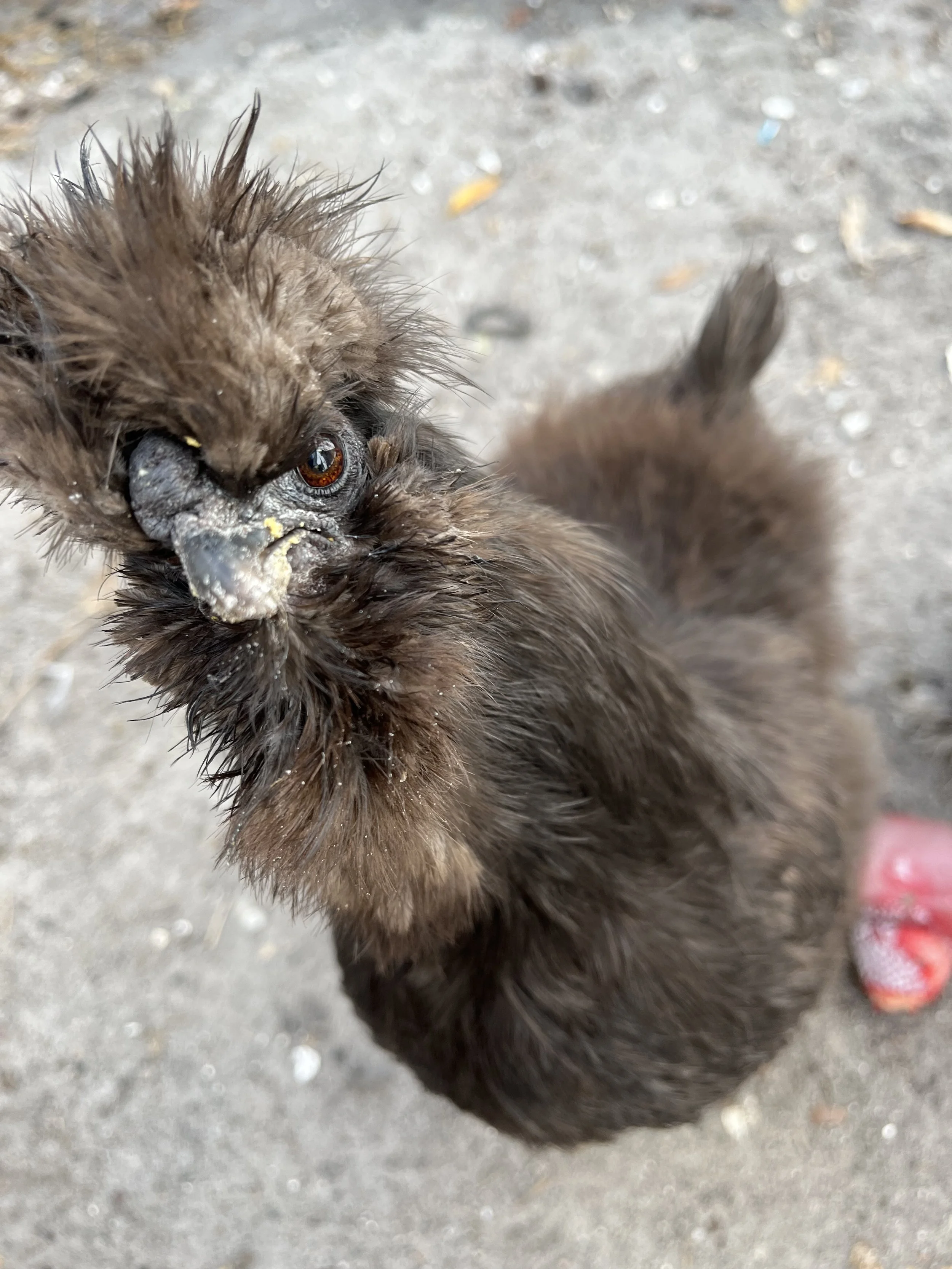
One of my very first hens: Iris!
City vs County Chicken Laws in Florida
One of the most confusing things for land buyers is understanding who actually makes the rules.
In Florida, animal regulations usually depend on whether a property is:
• inside city limits
• in an unincorporated county area
If a property is inside city limits
The city government controls zoning rules.
Cities often regulate:
number of chickens allowed
whether roosters are permitted
coop placement
sanitation standards
noise levels
Many cities allow chickens, but typically limit the number of hens and prohibit roosters.
If a property is in an unincorporated area
The county government controls zoning regulations.
These areas are often more rural and usually allow more flexibility for backyard animals and livestock.
Which rules apply?
If a property is inside city limits, the city ordinance overrides county rules.
If the property is outside city limits, the county zoning rules apply.
This is why many people interested in homesteading specifically look for properties in unincorporated county areas.
What “Unincorporated Area” Means
An unincorporated area is land that is not governed by a city government.
Instead, the county manages zoning, planning, and animal regulations.
These areas are often:
more rural
less densely populated
more flexible for small livestock and backyard animals
Many people who want chickens or a small homestead intentionally search for unincorporated land because the regulations tend to be less restrictive.
Example Backyard Chicken Rules by Area
Below are simplified examples from areas where many Florida land buyers search for property.
Chicken Keeping in North Port
County: Sarasota County
Typical Hen Limit: Around 4 hens in AG areas
Roosters Allowed: No
Chicken Keeping in Sebring
County: Highlands County
Typical Hen Limit: Often 4–6 hens depending on zoning district
Roosters Allowed: Usually No
Chicken Keeping in Lake Placid
County: Highlands County
Typical Hen Limit: Often 4–6 hens
Roosters Allowed: Usually No
Chicken Keeping in Inverness
County: Citrus County
Typical Hen Limit: Typically 4–6 hens in residential zoning
Roosters Allowed: No
Chicken Keeping in Interlachen
County: Putnam County
Typical Hen Limit: Often larger flocks allowed depending on zoning
Roosters Allowed: Often Yes
Chicken Keeping in Hawthorne Area
County: Putnam County
Typical Hen Limit: More flexible rural zoning
Roosters Allowed: Often Yes
Chicken Keeping in Chipley Area
County: Washington County
Typical Hen Limit: Often unrestricted in agricultural zoning
Roosters Allowed: Yes
In agricultural zoning districts, flocks may be significantly larger or even unrestricted.
Looking for guidance on keeping chickens in Pinellas County, Miami-Dade County or somewhere else in Florida?
Check out these resources:
Florida Backyard Chicken Laws: Permits, Limits & Setbacks by City
Florida Cities and Counties that allow backyard chickens
Is it illegal to keep backyard chickens where you live in Florida? Join the growing number of Florida Chicken Tenders who want to make chicken keeping more accessible for all.
Are Backyard Chickens Allowed in Florida Neighborhoods?
Yes — many Florida cities now allow backyard chickens, but usually with restrictions.
Typical neighborhood rules include:
4–6 hens allowed
roosters prohibited
coop setback requirements from property lines
sanitation and animal care standards
Some cities classify chickens under broader categories such as “poultry,” “domestic fowl,” or “livestock.”
Because of this, chickens may be restricted in certain residential zoning districts.
In contrast, unincorporated rural areas often have much more flexible rules.
The Reality of Keeping Chickens in Florida
Chickens can thrive in Florida, but the environment here comes with a few unique challenges.
Heat and Humidity
Florida summers are hot and humid, and chickens tolerate cold much better than extreme heat.
Healthy coops should include:
plenty of ventilation
shaded areas
constant access to fresh water
dust-bathing areas
Many chicken keepers also provide frozen treats or electrolytes during the hottest months. I love to give my hens frozen watermelon, tomatoes, even pomegranates! I also set up battery powered fans and misters and have even set up a chicken splash pad!
Predators Are Extremely Common
Florida has a wide range of predators that target backyard chickens.
Common predators include:
raccoons
opossums
snakes and rats
hawks and owls
foxes
neighborhood dogs
bobcats in rural areas
Because of this, a secure coop and covered run are essential.
Hurricanes and Storm Preparedness
Florida’s storm season is something every backyard chicken keeper eventually has to plan for.
I live on the gulf coast in a flood zone, so I’ve personally evacuated with my chickens during five times, which is something most people don’t think about when they first get a flock. It is something that you need to plan for, especially if you live in a flood zone. Even if you dont, make sure that your coop can handle high winds and rain.
Having a plan ahead of time is important. Many chicken keepers prepare by:
keeping transport crates ready
securing coops before storms
having a temporary indoor shelter plan
bringing chickens inside during severe weather
Like many pets, chickens may occasionally need to evacuate with their humans during major storms.
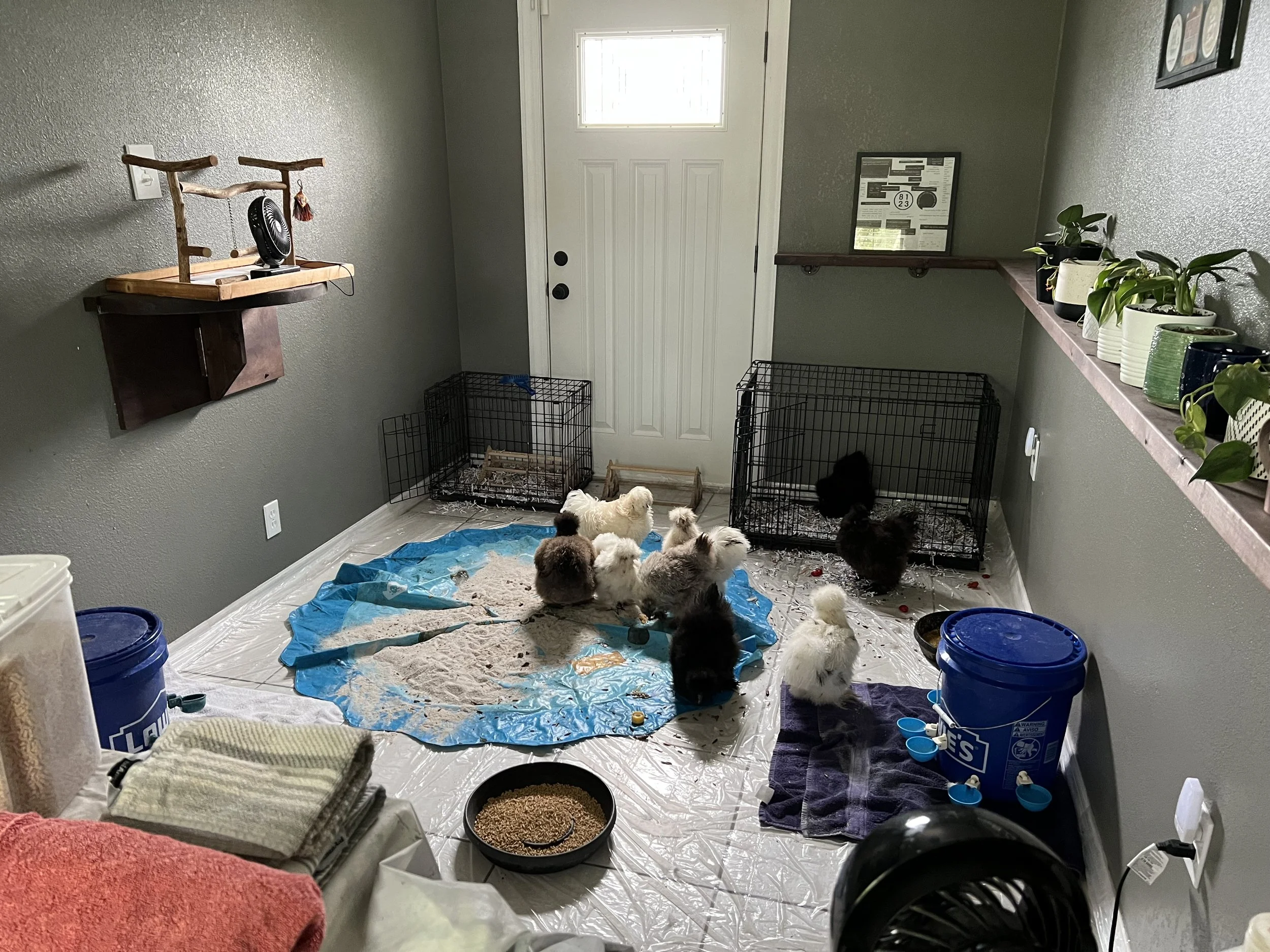
Ive gotten smarter since our first chicken evacuation! Now, I pack up a few batter powered fans & put them in a pop up tent wherever we go! We have 7 cats too… so as you can imagine we have to be creative when it comes to evacuating for hurricanes!
What If You Accidentally End Up With a Rooster?
It happens more often than people expect.
Many chicks sold as “hens” turn out to be roosters once they mature.
If roosters aren't allowed where you live, there are several options:
farm sanctuaries
local farms
backyard chicken groups
your local feed store
These communities often help rehome unwanted roosters.
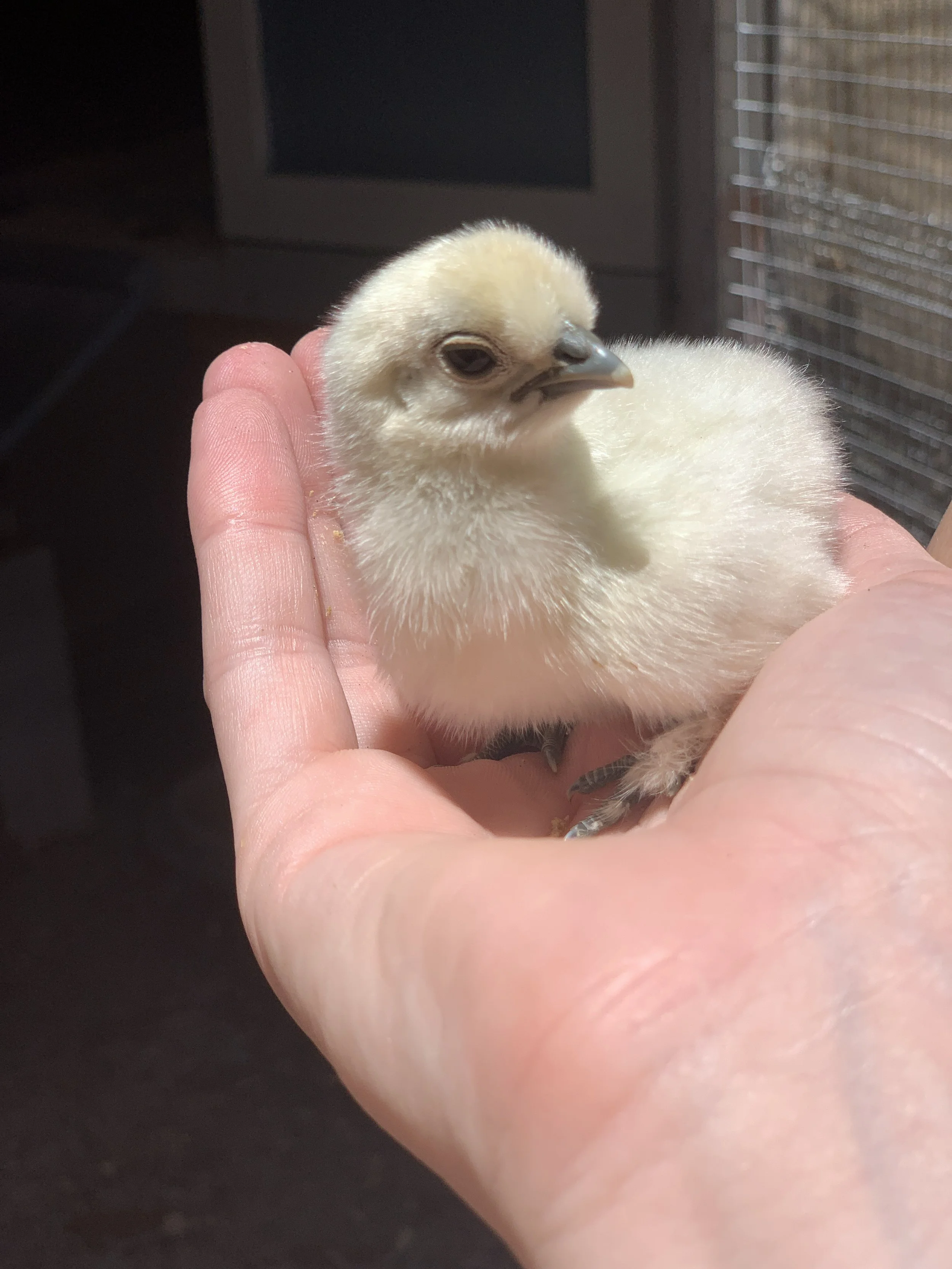
A baby silkie chick that ended up being a rooster!
Other Animals Often Allowed on Florida Land
Chickens are often just the beginning for many homesteaders.
Depending on zoning, other small animals may also be allowed, including:
ducks
rabbits
goats
bees
quail
Larger livestock such as cows or pigs usually require agricultural zoning and larger acreage.
Helpful Resource: Florida Chicken Laws by City
Because chicken laws vary widely across Florida, it can sometimes be difficult to find a quick overview.
One helpful resource that compiles regulations from many municipalities is:
Florida Backyard Chicken Laws Guide
https://www.thehenhousecollection.com/chicken-laws-by-state/florida/
This guide summarizes chicken ordinances across many Florida cities and can be a useful starting point when researching local regulations.
You can also explore additional summaries of backyard poultry laws here:
https://www.cityhubgo.com/backyard-chicken-laws/florida.aspx
However, it’s still important to verify rules directly with your local city or county government, since ordinances can change.
How to Check Chicken Laws Before Buying Land
Before purchasing land for a homestead or backyard flock, it's a good idea to:
• check city limits
• verify zoning classification
• review local ordinances
• confirm there are no HOA restrictions
Doing this early can help ensure the property fits your goals.
Disclaimer
Animal regulations vary by city, county, and zoning district, and ordinances can change over time.
Always verify local regulations before purchasing land or bringing animals onto a property.
Final Thoughts
Backyard chickens have become one of the most popular ways for people to reconnect with their food, their land, and a slower pace of life.
Whether you want fresh eggs, feathered pets, or the beginnings of a small homestead, understanding local zoning laws will help you find property where your plans are possible.
And if you’re anything like me, you might start with just four chickens…
…and suddenly realize they’ve completely stolen your heart.
Can you legally have backyard chickens in Florida?
Yes, many areas of Florida allow backyard chickens, but the rules depend on local zoning and whether the property is inside city limits or in an unincorporated county area. Many cities allow a small number of hens but prohibit roosters, while rural or agricultural zoning may allow larger flocks.
How many chickens can you have in Florida?
Florida does not have a statewide limit on chickens. Instead, limits are determined by local city or county ordinances. Many residential areas allow around 4–6 hens, while agricultural zoning may allow significantly larger flocks.
Are roosters allowed in Florida cities?
In many Florida cities, roosters are not allowed because they are considered a noise nuisance. However, roosters are often permitted in rural or agricultural zoning areas outside city limits.
What does “unincorporated area” mean in Florida?
An unincorporated area is land that is not governed by a city government. Instead, the county manages zoning and regulations. These areas often have more flexible rules for animals, chickens, and small homesteads.
Are backyard chickens allowed in Florida neighborhoods?
Many Florida neighborhoods allow chickens, but there are often restrictions such as limits on the number of hens, bans on roosters, and rules about coop placement or sanitation. Some neighborhoods or HOAs may prohibit chickens entirely.
What should I do if I accidentally end up with a rooster?
It happens frequently when chicks mature. If roosters are not allowed where you live, you may be able to rehome them through local farms, rooster rescues, farm sanctuaries, or backyard chicken communities. it should go without saying, but NEVER release a rooster into the wild.
Is Florida a good place to keep chickens?
Yes, chickens can do very well in Florida with proper care. However, owners need to plan for heat, humidity, predators, and hurricane preparedness, which are unique challenges compared to cooler climates.
If you're researching land that allows animals or small homesteads, these guides may also help:
Learn About RV Use and Florida Land
These guides may help you take the next step:
• Where Can I Live in An RV in FL
https://www.paradiseparcels.com/the-dirt/where-can-i-live-in-an-rv-in-florida
• Off-Grid Living in Florida: What It Really Takes
https://www.paradiseparcels.com/the-dirt/off-grid-freedom-what-it-really-takes-to-live-on-florida-land
• Mobile homes vs manufactured homes
https://www.paradiseparcels.com/the-dirt/mobile-homes-vs-manufactured-homes-in-florida-whats-the-difference
• The 5-Minute Guide to Zoning
https://www.paradiseparcels.com/the-dirt/-the-5-minute-guide-to-zoning-what-you-can-and-cant-do-on-your-florida-land
• How to Tell if a Florida Lot Is Buildable
https://www.paradiseparcels.com/the-dirt/-how-to-tell-if-a-florida-lot-is-actually-buildable
• City Vs County Zoning
https://www.paradiseparcels.com/the-dirt/city-vs-county-zoning-in-florida-which-rules-apply-to-your-land